
Jaw pain, clicking, clenching, or tightness around the face and temples are common concerns that can interfere with eating, speaking, sleeping, and daily comfort. Many people in South Morang experience these symptoms without realising they may be linked to posture, neck tension, or spinal mechanics.
If you’ve been searching for a jaw pain chiropractor or exploring options for TMJ treatment in South Morang, you may be wondering whether chiropractic care can help.
This article explains what TMJ/TMD is, why jaw pain is so common, and how chiropractic care may support jaw function as part of a holistic approach.
What Is TMJ / TMD?
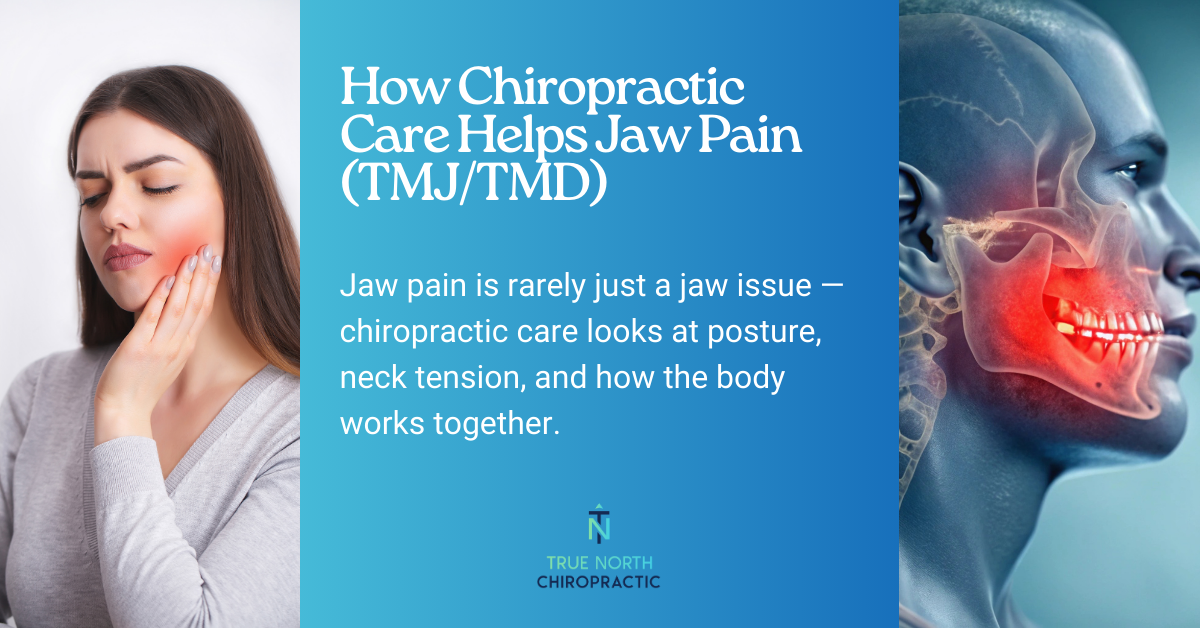
The temporomandibular joint (TMJ) connects the jaw to the skull and plays a key role in chewing, speaking, and facial movement.
Temporomandibular disorder (TMD) is a term used to describe pain or dysfunction affecting this joint, the surrounding muscles, or related structures.
Common symptoms include:
-
Jaw pain or tightness
-
Clicking, popping, or grinding sounds
-
Headaches or facial pain
-
Neck and shoulder tension
-
Difficulty opening or closing the mouth fully
-
Clenching or grinding (bruxism)
TMJ issues are often multifactorial, meaning several contributing factors may be involved.
Why Jaw Pain Is So Common
Jaw pain doesn’t always start in the jaw itself. Common contributing factors include:
Postural strain
Forward-head posture and prolonged desk work can increase tension through the neck and jaw muscles.
Improving your workstation setup may help reduce unnecessary strain on the neck and jaw. Read our guide to desk ergonomics and chiropractic care for a healthy spine.
Neck and upper spine dysfunction
Restricted movement in the cervical spine may influence jaw mechanics and muscle coordination.
Learn more about how chiropractic adjustments may relieve back and neck pain and why the cervical spine plays an important role in overall movement.
Stress and clenching
Emotional or physical stress can lead to jaw clenching, grinding, and muscle overload.
Stress commonly affects muscles throughout the upper body as well. Learn more about why stress causes shoulder pain.
Muscle imbalance
Tightness in the jaw, neck, shoulders, and upper back can alter jaw movement patterns.
Because the jaw, neck, and upper spine are closely connected, addressing only the jaw may not always provide lasting relief.
How Chiropractic Care May Help with Jaw Pain
Chiropractic care takes a whole-body approach, focusing on how the spine, jaw, muscles, and nervous system work together.
For jaw pain and TMJ-related concerns, chiropractors may:
-
Assess neck and upper spine mobility
-
Use gentle chiropractic adjustments to support spinal function
- Depending on your needs, your chiropractor may also use mobilisation techniques to restore movement comfortably. Learn more about the difference between chiropractic adjustments and mobilisation.
-
Address muscle tension in the jaw, neck, and shoulders
-
Improve posture and head positioning
-
Provide movement, stretching, or relaxation strategies
By improving movement and reducing tension in related areas, chiropractic care aims to reduce stress on the jaw and support more balanced function.
Potential Benefits of Chiropractic Care for TMJ/TMD
While individual results vary, chiropractic care may help support:
-
Reduced jaw and facial muscle tension
-
Improved neck and upper back mobility
-
Fewer tension-related headaches
-
Improved posture awareness
-
Reduced clenching or jaw fatigue
Chiropractic care does not replace dental or medical management when required, but it may complement other approaches such as dental splints, stress management, or physiotherapy.
What Patients Often Ask
Is chiropractic care safe for jaw pain?
Yes. Chiropractors use gentle techniques and assess thoroughly before treatment. Care is tailored to each individual.
Will adjustments be done directly to the jaw?
In some cases, gentle jaw techniques may be used, but treatment often focuses on the neck, upper back, and surrounding muscles.
How long does it take to notice improvement?
Some patients notice changes within a few visits, while others benefit from a longer-term approach depending on contributing factors.
Do I still need to see a dentist?
Yes, especially if symptoms involve tooth wear, severe pain, or locking. Chiropractic care works best as part of a collaborative approach.
When to Seek Additional Care
You should seek further medical or dental advice if you experience:
-
Jaw locking or inability to open the mouth
-
Sudden changes in bite
-
Severe or worsening pain
-
Numbness, swelling, or signs of infection
Chiropractors often co-manage with dentists, GPs, and other health professionals when needed.

Take the Next Step Towards Jaw Comfort
Jaw pain can be frustrating and disruptive, especially when linked to posture, stress, or neck tension. Chiropractic care offers a gentle, whole-body approach that may help support jaw function by addressing contributing factors beyond the jaw itself.
At True North Chiropractic, we provide personalised care for patients experiencing jaw pain and TMJ-related concerns in South Morang. If you’re looking for a TMJ chiropractor in South Morang or want to explore whether chiropractic care may help your jaw pain, we’re here to help.
Book an appointment today and take the next step towards improved comfort and function.